How quickly can you become addicted to ecstasy?
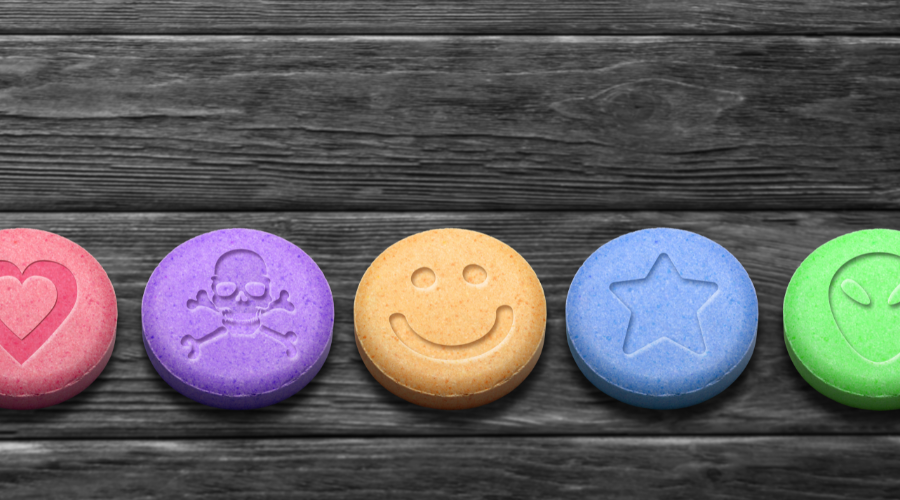
XTC often seems harmless, but that's just an illusion
Many users believe that ecstasy (MDMA) is less addictive than cocaine or amphetamines. It’s true that ecstasy is less likely to cause physical dependence, but that doesn’t mean you can’t become dependent on it. Psychological dependence can develop without you even realizing it, especially among people who party every weekend or are constantly seeking validation, connection, or euphoria.
“It’s only once a month, right?”
That’s often how it starts. Not because your body craves the substance, but because your mind longs for that intense warmth, euphoria, and sense of connection.
How does addiction to ecstasy work?
XTC causes sharp spikes in serotonin (happiness, love, connection) and dopamine (reward and motivation). Your brain remembers that feeling and wants to recreate it later. The main risk lies in psychological dependence, not physical dependence.
The trip is intense, but rare
Because XTC is so intense, users tend to romanticize the experience: that one night when everything felt just right. That’s where the craving comes from.
How quickly can you become addicted to ecstasy?
There are two types of dependency:
Psychological dependence
– Can develop during certain social occasions
– Especially if you associate XTC with “having a good time,” “feeling connected,” or “being yourself”
Habit Formation
– Often develops within weeks to months if you use
every 4–6 weeks – Happens more quickly if you view the drug as a solution to boredom, emptiness, or social insecurity
Physical dependence
– This rarely, if ever, happens with XTC
– So the problem is mainly in your head, not in your muscles or nerves
So the risk of addiction isn't that your body needs it, but that you no longer want to party without that "magical night. "
Signs that you're heading toward dependency
Please note if you:
– Only enjoy music festivals when on XTC
– Are disappointed by a sober party
– Are already thinking about the next pill while the last one hasn’t even kicked in yet
– Often take another dose or keep increasing the dosage
– Push your limits (“I only do this on special occasions… oh, this is special too”)
These are mental red flags.
Who is at greater risk?
Especially people who:
– Struggling with relaxation or emotions
– Seeking a lot of validation
– Craving deep connection or affection
– Feeling genuinely insecure in social settings
– Being prone to escapism
For them, XTC doesn’t feel like a “treat,” but like an escape.
How can you prevent things from going wrong?
– Use no more than once every 2 to 3 months (for both body and mind)
– Don’t keep taking more to maintain the high
– Treat XTC as an exception, not the norm
– Go to parties sober so you don’t become dependent on a pill
– Take breaks that are longer than your urge
Those who can enjoy themselves without getting carried away stay in control.
Conclusion
How quickly can you become addicted to ecstasy? Mentally, much faster than people think. After just a few uses, you may already start craving that same intense feeling of happiness, which leads to habit formation. Ecstasy doesn’t quickly lead to physical dependence, but it’s precisely the mental craving for connection and euphoria that poses the danger.