Can drug-sniffing dogs detect even small amounts at festivals?
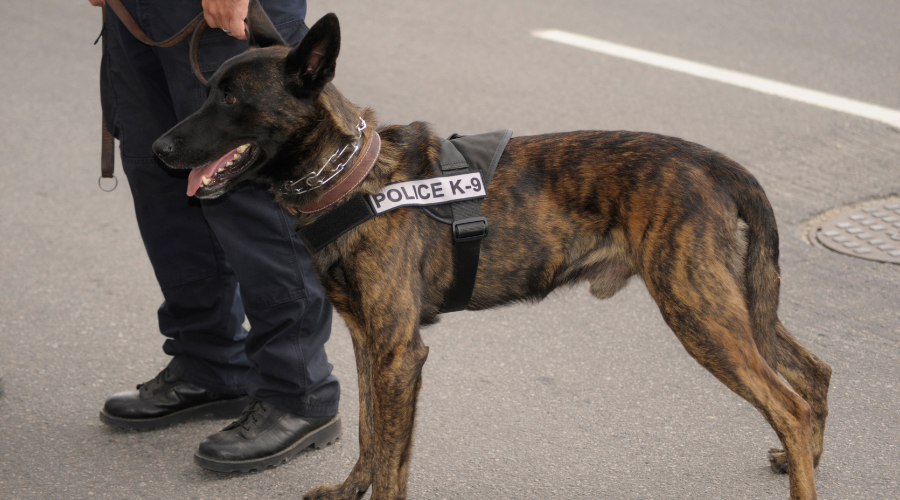
How do drug-sniffing dogs work at festivals?
Drug-sniffing dogs are deployed at festivals to detect narcotics. They are trained to detect specific scents—such as cocaine, ecstasy, heroin, or marijuana. When such a dog walks past a person or searches someone, it can indicate where there are suspicious scent traces. The idea is that even small amounts can be detected, but how small is “small”? And how effective is that in practice?
Training and Detection
A dog learns to associate scents with rewards. It recognizes scent trails left on clothing, skin, or in luggage. But every type of terrain, climate, and crowded room affects the accuracy of the detection.
Can they find small amounts as well?
Yes—in theory, well-trained drug-detection dogs can detect very small traces. However, there are limitations:
Factors that make detection easier
- The scent of the product has spread somewhat (it is not completely sealed or untouched)
- The area is relatively quiet, with no strong odors or smoke in the air
- The substance was recently transported or is present in close proximity to the skin or clothing
- The dog and handler have a clear line of sight and can operate freely
Factors that make detection more difficult
- Product fully packaged, airtight, or sealed
- Crowds, smoke, the smell of alcohol, or fumes that interfere with the scent
- Sometimes there are multiple scent sources or distractions for the dog
- The site security system is not functioning properly
- The number of dogs is limited, which means each person gets less attention
What does this mean for you as a festivalgoer?
- Even small amounts can be detected in some cases—so you can’t just assume that “I only took one pill or a little bit of powder.”
- The risk isn't just being found, but also being searched, facing delays, and possibly being barred from the festival.
- Organizations use dogs partly as a deterrent, so their visibility (dog and handler) has an effect, regardless of whether there are large numbers of them.
What can you do (or rather, what should you avoid doing to minimize damage)?
- Don’t bring any unknown or questionable substances to a festival—no matter how small it is.
- Be aware that inspections may take place—it’s better to be prepared than caught off guard.
- Always put your safety and well-being first; the presence of dogs does not mean you are a “target” or have been “singled out.”
- No matter how much or how little: risk is still risk.
Conclusion
Can drug-sniffing dogs detect even small amounts at festivals? Yes—in many cases, they can detect very small traces, though there’s no guarantee that every tiny amount will be found. It depends heavily on the circumstances, the terrain, how the scent spreads, and the dog and handler. The best approach is this: if you’re involved in that scene, be fully aware of the risks and act responsibly.