What happens if I'm caught with 1 gram of cocaine in the Netherlands?
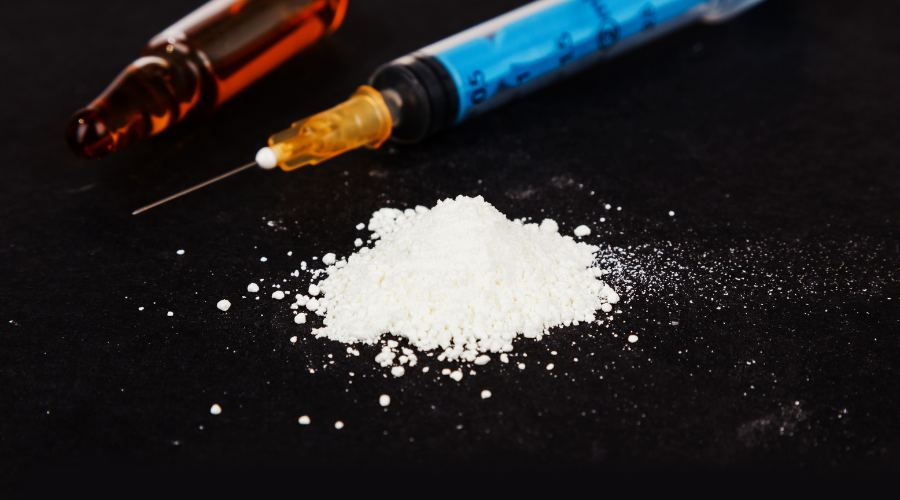
The law is clear: cocaine is illegal
In the Netherlands, cocaine is classified under Schedule I of the Opium Act, the same category as ecstasy, methamphetamine, and heroin. This means that possession, sale, production, and transportation are all criminal offenses—regardless of the quantity. However, there is a significant difference between trafficking and personal use.
“But it’s only one gram…”
You hear that a lot, but legally speaking, even one gram is a violation of the Narcotics Act.
How does the police view 1 gram of cocaine?
In practice, law enforcement and the judicial system consider small amounts to be for “personal use.” This means that you will usually not be prosecuted, as long as there is no evidence of trafficking.
What usually happens?
– The cocaine is seized
– Your personal information is recorded
– Sometimes this results in a warning or registration
– In most cases, you will not receive a criminal record if it is truly a personal-use amount
However, this is no guarantee. Every situation is different, and the officer’s attitude or local guidelines also play a role.
When do you actually run into trouble?
There are situations in which you may still be prosecuted, for example if:
– You have more than a “reasonable amount for personal use”
– The cocaine is divided into multiple small bags (which looks like dealing)
– There is cash, small scales, or small bags included
– You are driving under the influence, fighting, or causing a disturbance
– You stand out in places with a zero-tolerance policy (such as some festivals or airports)
In such cases, it can easily be viewed as trafficking or endangerment—and that carries serious penalties.
What are the possible consequences?
The exact consequences depend on your situation, but generally speaking:
– Seizure of the drugs
– Registration with the police (your name will be entered into the system)
– In case of repeat offenses or drug trafficking: a police report and possibly a fine or a criminal record
– In case of larger quantities or repeat offenses: community service or even imprisonment
The official guideline from the Public Prosecutor’s Office states that small amounts for personal use rarely lead to prosecution, but always result in confiscation.
What should you do if you're pulled over?
– Stay calm and polite
– Don’t give out unnecessary information, but cooperate
– Ask about your rights and your right to an attorney
– Remember that denying it rarely helps — 1 gram is clear, visible evidence
– Ask if it’s considered a personal-use amount (that makes a difference)
What happens if it's at a festival?
Many festivals have a zero-tolerance policy. That means you’ll be removed from the premises, the drugs will be confiscated, and sometimes the police will be called. Prosecution usually doesn’t follow, but you’ll lose your access—and sometimes your ticket for the next edition as well.
Conclusion
What happens if you’re caught with 1 gram of cocaine in the Netherlands? The cocaine is always confiscated, and your personal information is recorded. In most cases, there is no criminal record or jail time as long as it is clearly for personal use, but it remains illegal. Anyone who is caught repeatedly or shows signs of dealing can indeed be prosecuted. The law is simple: possession is a crime—no matter how small the amount.