What to do about a nosebleed caused by blowing your nose
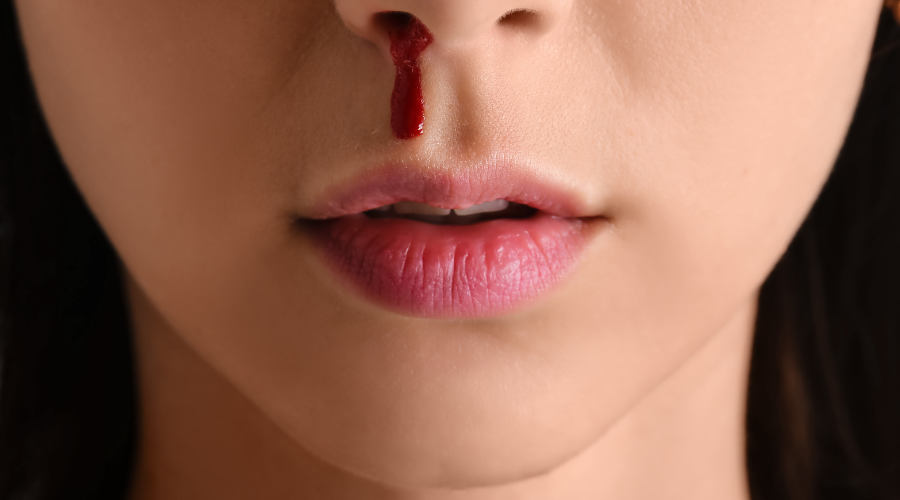
Why does your nose bleed when you blow it?
When you snort drugs like cocaine or meth, a dry, abrasive substance comes into contact with the lining of your nose. That lining is thin and delicate, so it can quickly dry out, become irritated, and tear. Especially with regular use or hard snorting, small cuts can form that eventually start to bleed.
Dryness, irritation, and damage
Simply put, the combination of snuff, dry air, friction, and repeated use damages the inside of your nose. As a result, even a small scab can burst open and start bleeding.
What should you do if you get a nosebleed?
1. Stop snorting (at least for that evening)
Continuing to sniff with a damaged nose will cause even more damage and prolong the recovery time.
2. Don’t lean back; instead, bend forward
Lean forward slightly and pinch your nostrils shut for about 10 minutes. This will prevent blood from running down your throat.
3. Do not blow your nose or pick your nose
Even if it itches or something feels loose, leave it alone. Sniffing at it will dislodge scabs and often cause it to bleed again.
4. Cooling
Place something cold (such as a cold washcloth) against the bridge of your nose. This constricts the blood vessels and helps stop the bleeding.
How do you get your nose fixed?
– Gently apply a nasal ointment or petroleum jelly to the inside of your nose to help your mucous membrane heal
– If necessary, use a saline solution (nasal spray) to keep your nose moist
– Avoid sniffing at all for a few days
– Avoid smoking, as smoke further irritates the nasal cavity
– Don’t pick at scabs—they’re part of the healing process
Repairs usually take a few days to a week, depending on the damage.
When does it become dangerous?
Seek help if:
– The bleeding doesn’t stop after 20–30 minutes
– You get nosebleeds regularly for no apparent reason
– You notice that holes or deep wounds are forming (this can happen over time with heavy use)
– You have pain that doesn’t go away
Long-term snorting can cause permanent damage to your nasal septum. In that case, medical attention is necessary.
How can you prevent nosebleeds?
– Use your own clean straw; do not use keys or a bank card
– Rinse your nose with saline solution after use
– Stay hydrated (drinking water helps your mucous membranes)
– Alternate nostrils when using it to limit strain on one area
– Take breaks between uses
They aren't foolproof solutions, but they do limit the damage.
Conclusion
What should you do if you get a nosebleed from sniffing? Stop sniffing immediately, lean forward, pinch your nose shut, apply a cold compress, and let the skin heal with moisture and rest. However, prevention is better than cure: sniffing is always bad for your nasal mucosa, and frequent nosebleeds are a clear sign that your body can’t take it anymore.